
How To Check If Your Home Is Insured


Check whether your home is insured by searching bank statements for premium payments, looking through emails for policy documents, contacting your mortgage lender, or calling insurers directly.
If you find a policy, confirm the cover type, sums insured, excess, and exclusions before assuming you are properly protected.
Not knowing whether you have active cover is more common than most people think. Policies auto-renew, documents get buried, and it is easy to lose track of what you are actually paying for.
Checking takes less than an hour and could save you from bearing the full cost of a fire, flood, or break-in yourself. This guide walks through the fastest ways to confirm your home insurance status, what to look for once you find a policy, and what to do if you are not covered at all.
Check bank statements for premium payments, search emails for policy documents, and call your mortgage lender to confirm cover. Finding a policy is only half the job: check the sums insured still match your rebuild cost and contents value, because outdated figures can cut your payout.
Compare up-to-date home insurance quotes to close any gaps your check uncovers.
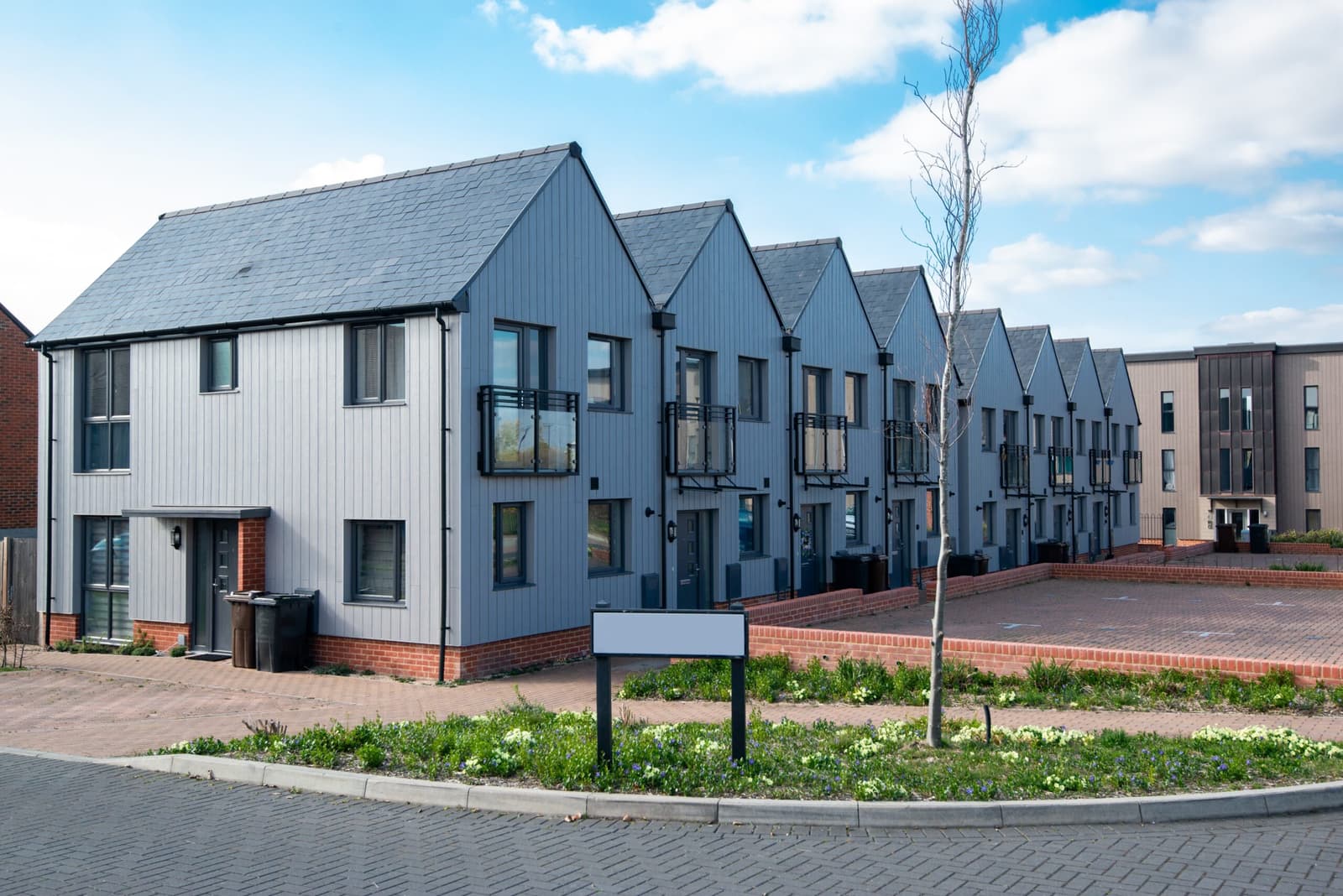
How do you check if you have home insurance?
Work through these four steps in order. Most of the information you need is already in your bank account, email inbox, or mortgage paperwork.
Check your bank or credit card statements
Insurance premiums appear as regular payments, either monthly or as a single annual debit. Log into online banking and search transactions for the past two years.
Look for payments to names such as Aviva, Direct Line, AXA, LV=, Admiral, or descriptions containing the words “insurance”, “premium”, or “policy”. Note the date, amount, and payee name so you can contact the provider. You could save up to £257* on your home insurance.
Compare Home Insurance
Search your emails
Most insurers send policy documents, renewal notices, and payment confirmations by email. Search your inbox and spam folder for “home insurance”, “policy schedule”, “renewal”, or the name of any insurer you have used before.
A policy document usually contains a policy number, which is the fastest way to access your account. Check archived messages and older email accounts if you have switched address or provider in recent years.
Contact your mortgage lender
If you have a mortgage, your lender requires buildings insurance as a condition of the loan and will hold a record of your cover. Call with your mortgage account number and ask them to confirm whether a policy is in place.
Some lenders can give you the insurer’s name and policy number. In rare cases the lender may have arranged force-placed cover on your behalf, with the premium added to your mortgage account.
Call insurers directly
If earlier steps draw a blank, contact major home insurers and provide your full address. Many can check their systems for any current or recent policy at the property.
What should you check once you find your policy?
Finding the policy is only half the job. The next step is confirming the details are correct and the cover is adequate, because errors or outdated information can lead to a claim being reduced or refused.
| Item to check | Why it matters |
| Policy dates (start, end, renewal) | Confirms the policy is active and has not lapsed. |
| Cover type (buildings, contents, or combined) | Buildings covers the structure; contents covers belongings. Missing one leaves a gap. |
| Buildings sum insured | Should match the rebuild cost, not the market value. Under-insurance triggers the average clause. |
| Contents sum insured | Should reflect the total replacement cost of everything you own. |
| Compulsory and voluntary excess | The amount you pay before the insurer pays. Subsidence excess is often higher (£1,000+). |
| Single-item limit | Most policies cap individual items at £1,000 to £1,500. Jewellery, watches, and electronics may need specifying. |
| Exclusions | Common exclusions: wear and tear, gradual damage, unoccupancy beyond 30-60 days, business use. |
| Personal details | Name, address, and property description must be accurate to avoid a disclosure dispute. |
Why disclosure matters
Under the Consumer Insurance (Disclosure and Representations) Act 2012, you must take reasonable care to answer your insurer’s questions honestly. If your circumstances have changed (working from home, taking in a lodger, structural alterations), tell the insurer straight away.
Failing to disclose a material change can invalidate your cover when you come to claim.
How do you know if you have enough cover?
Having insurance is not the same as having enough. Under-insurance is one of the most common problems found when policyholders review their cover for the first time in years.
Buildings: Match the rebuild cost
Your buildings sum insured should equal the full rebuild cost of the property, which is what it would cost to reconstruct from scratch. You can estimate this using the BCIS rebuild cost calculator from RICS, checking your most recent mortgage valuation, or commissioning a professional survey for non-standard properties.
If you are under-insured and make a claim, the insurer can apply the average clause. For example, if the rebuild cost is £300,000 but you insure for £200,000, a £15,000 claim could be scaled back to £10,000.
Contents: The room-by-room test
Walk through every room and list what you own, estimating the replacement cost as new. Include furniture, electronics, clothing, kitchenware, tools, garden equipment, and anything stored in sheds or garages.
The total is usually higher than people expect, and your contents insurance sum should cover that full figure.
Keep a record of the inventory with photos or video stored outside the home. Cloud storage or a copy with a trusted person means you can access it if the property is damaged.
What if you are a leaseholder or tenant?
Your insurance responsibilities depend on how you occupy the property. Leaseholders, tenants, and homeowners each have a different starting point.
Leaseholders
If you own a leasehold flat, the freeholder or management company usually arranges buildings insurance for the whole building and passes the cost through service charges. Ask for a copy of the buildings insurance certificate to confirm cover is in place.
The communal policy covers the structure and common areas but usually not your internal fixtures, decorations, or improvements. Check your lease to see where the freeholder’s cover ends and your responsibility begins.
You still need your own contents insurance for personal belongings inside the flat.
Tenants
Your landlord arranges landlord insurance for the building, but that policy does not cover your belongings. If you want protection for furniture, electronics, and personal items you need renters insurance of your own.
What should you do if you are not insured?
If you have no active policy, you bear the full cost of any damage, loss, or liability yourself. Close the gap as quickly as possible.
Mortgage holders: Act immediately
Buildings insurance is a condition of every UK residential mortgage, so if cover has lapsed you are in breach of the mortgage terms. Arrange a new buildings policy the same day and notify the lender once it is active.
Outright owners: Weigh the risk
Home insurance is not legally required if you own outright, but the financial exposure is enormous. A total-loss fire or a liability claim from a visitor can run into hundreds of thousands.
Before you buy
Calculate your rebuild cost and contents value first so you are not guessing at checkout. Compare quotes on a like-for-like basis (same excess, same cover level), read the policy summary before committing, and check the MoneyHelper guide to home insurance for independent pointers.
You cannot insure retrospectively. Cover only applies to events after the policy start date, so there is no benefit to waiting.
Frequently asked questions (FAQs)
Most people can confirm their status within 15 to 30 minutes by searching bank statements and emails. Calling a lender or insurer may take longer depending on hold times.
Yes, if you know the insurer’s name. Log into their website or app using your policy number and email address to view your schedule, cover details, and renewal date.
If you are the homeowner with a mortgage, buildings insurance should be in your name (or jointly if the property is jointly owned). Where a lender has arranged force-placed cover it may appear under a different name, so check with the lender to confirm.
Home insurance does not transfer automatically to a new property. Contact your insurer before or on the day of the move to update the policy or take out new cover so there is no gap.
Yes, you can cancel and switch at any time. There may be a cancellation fee outside the 14-day cooling-off period, so compare new quotes first to make sure the saving or improvement justifies the cost.
Force-placed (or lender-placed) insurance is cover your mortgage lender arranges on your behalf when your own buildings policy lapses. It is usually more expensive than a policy you choose yourself and may offer narrower cover.
The insurer can apply a proportionate remedy under CIDRA 2012, so a careless error usually means the claim is adjusted rather than refused. A deliberate misrepresentation, however, can void the policy entirely.
Start with the insurer’s internal complaints process. If that does not resolve the issue, escalate free of charge to the Financial Ombudsman Service, which can award up to £430,000.