
What To Do If You’re Hit By An Uninsured Driver


If you’re hit by an uninsured driver, stop at the scene, call 999 if anyone is injured, gather as much evidence as possible, and report the incident to both the police and your insurer. You can then claim compensation through the Motor Insurers’ Bureau (MIB) if the other driver has no valid policy.
Around one million vehicles on UK roads are uninsured at any given time. Being hit by one of these drivers can feel overwhelming, but you do have clear legal protection.
The Motor Insurers’ Bureau exists specifically to compensate victims of uninsured and untraced drivers.
This guide walks you through the immediate steps after a collision, how to claim, and what to expect from your own insurer along the way.
You’re not out of pocket just because the other driver has no insurance. The Motor Insurers’ Bureau covers your damage, injury, and lost earnings. But comprehensive cover makes the process far smoother: your insurer repairs your car straight away and recovers costs later, rather than you waiting months for an MIB claim to settle.
Look for an uninsured driver promise when you compare car insurance quotes, so your excess and no-claims bonus stay protected.
- What should you do at the scene?
- How do you report the incident?
- Can you check if a driver is insured?
- What does your own insurance cover?
- What compensation can you claim?
- How does the MIB claims process work?
- What if the driver can’t be traced?
- What are the penalties for driving without insurance?
- How can you protect yourself in future?
- Frequently asked questions (FAQs)
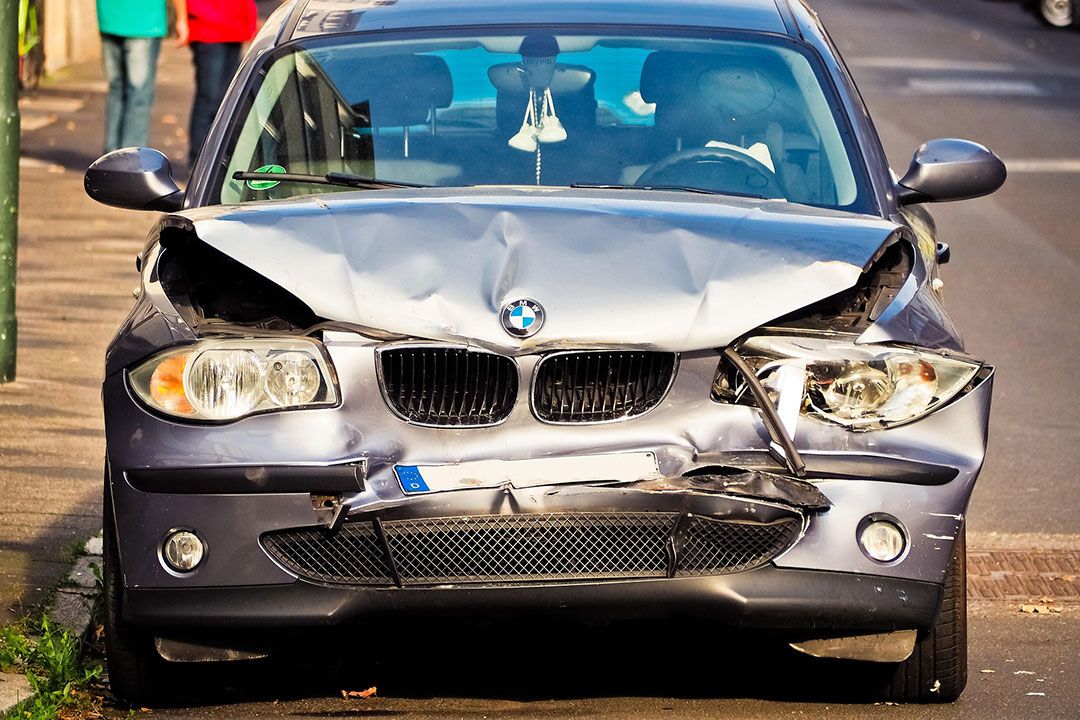
What should you do at the scene?
The first few minutes after any collision matter most. Your priority is safety, then evidence.
Check for injuries and call 999
Move to a safe position if you can, switch on hazard lights, and call 999 if anyone is hurt. Even minor whiplash symptoms can appear hours later, so note how you feel.
Exchange details
Ask for the other driver’s name, address, and vehicle registration. If they refuse or you suspect they’re uninsured, write down the registration plate yourself.
Don’t accuse the other driver of being uninsured at the scene. Stay calm, collect what you can, and let your insurer investigate.
Gather evidence
Photograph damage to both vehicles, the road layout, skid marks, and any road signs. Dashcam footage is invaluable here.
Get contact details from any witnesses and note the time and weather conditions.
If you’re unsure what else to record, our step-by-step guide covers the full process.
Related: What to do after a car accident
How do you report the incident?
You must report any collision involving an uninsured driver to both the police and your own insurer as soon as possible.
Report to the police
Under Section 170 of the Road Traffic Act 1988, you must stop and exchange details after any accident involving injury or damage. If details aren’t exchanged at the scene, you must report to the police within 24 hours.
Ask for a crime reference number. You’ll need this for both your insurance claim and any MIB application.
Notify your insurer
Contact your insurer the same day, even if you weren’t at fault. Most policies require you to report all incidents regardless of who caused them.
Your insurer will log the claim and arrange repairs if you have comprehensive cover. They may also pursue the uninsured driver directly to recover costs.
Failing to report an incident could invalidate your policy. Even a minor bump should be logged with your insurer within 24 hours.
Can you check if a driver is insured?
Yes. The Motor Insurance Database (MID) lets you check whether any vehicle is insured using its registration number.
How to use askMID
Visit the askMID vehicle check tool and enter the vehicle’s registration. The database confirms whether the vehicle has a valid policy in place.
Why checking matters
If the MID confirms the vehicle is uninsured, you’ll know immediately that your claim needs to go through the MIB rather than the other driver’s insurer. This saves time and avoids chasing a policy that doesn’t exist.
Police also use the MID through automatic number plate recognition (ANPR) cameras. This is how most uninsured vehicles are detected and seized.
What does your own insurance cover?
Your level of cover determines how much protection you have when an uninsured driver hits you. Comprehensive policies offer the strongest position.
Comprehensive cover
A comprehensive policy covers damage to your own vehicle regardless of fault. Many insurers include an uninsured driver promise, meaning your excess is refunded and your no-claims bonus stays intact.
Third-party only or third-party fire and theft
These policies don’t cover damage to your own car. You’d need to claim directly through the MIB for vehicle repairs and any personal injury.
The claims process takes longer this way because the MIB investigates from scratch. With comprehensive cover, your insurer handles repairs first and recovers costs later.
No-claims bonus protection
Some insurers protect your no-claims bonus automatically when you’re hit by an uninsured driver. Check your policy wording, as this varies between providers.
What compensation can you claim?
You can claim for vehicle damage, personal injury, loss of earnings, and other financial losses caused by the uninsured driver.
Vehicle damage and write-offs
Repair costs are covered up to the vehicle’s pre-accident market value. If repairs cost more than the car is worth, it’s declared a write-off and you receive a settlement based on market value.
Personal injury
Whiplash, broken bones, and soft tissue injuries are all covered. You’ll need a medical report from a GP or specialist to support your claim.
See your GP as soon as possible after the accident, even if symptoms seem minor. Delayed injuries are harder to link to the collision without early medical records.
Other financial losses
You can also claim for hire car costs while your vehicle is off the road, travel expenses, and lost earnings if you can’t work. Keep receipts and records for everything.
How does the MIB claims process work?
The Motor Insurers’ Bureau handles compensation claims against uninsured and untraced drivers. Every UK motor insurer contributes to the MIB fund.
Who can claim?
Anyone injured or whose property was damaged by an uninsured driver in the UK can claim. This includes passengers, cyclists, and pedestrians.
What you can claim for
The MIB covers vehicle damage, personal injury, loss of earnings, medical expenses, and other out-of-pocket costs. Claims are assessed on the same basis as a standard insurance claim.
The claims timeline
| Stage | What happens | Typical timeframe |
| Application | You complete the MIB claim form with supporting evidence | As soon as possible after the accident |
| Investigation | MIB verifies the driver was uninsured and reviews your evidence | A few weeks to several months |
| Decision | MIB makes a compensation offer or requests further information | Depends on complexity |
| Settlement | Payment issued once you accept the offer | Within 14 days of acceptance |
You can submit your claim directly through the MIB website. Complex cases involving serious injury may take longer than the timeframes above.
What if the driver can’t be traced?
Hit-and-run incidents where the driver leaves the scene are handled under the MIB’s Untraced Drivers’ Agreement. You can still claim, but the process differs slightly.
How untraced driver claims differ
Under the Untraced Drivers’ Agreement, property-only damage claims are restricted. You generally need to have suffered personal injury before the MIB will consider vehicle damage from a hit-and-run.
Building your evidence
Evidence is critical in these cases. Dashcam footage, witness statements, and CCTV from nearby properties can all support your claim.
If your car is written off by a hit-and-run driver, the MIB will assess the vehicle’s market value. Keep records of recent servicing and any modifications that add value.
Related: What are car insurance write-off categories?
Reporting a hit-and-run
Report the incident to the police immediately using 999 if injuries occurred, or through the non-emergency reporting service for property damage only. A police reference number strengthens your MIB application.
What are the penalties for driving without insurance?
Driving without insurance is a criminal offence under the Road Traffic Act 1988. Penalties range from a fixed penalty to vehicle seizure and a court appearance.
Fixed penalty
Police can issue an on-the-spot fine of £300 and 6 penalty points. The vehicle may also be seized and destroyed if the driver can’t arrange valid cover.
The IN10 offence code is recorded on the driver’s licence for 4 years. This significantly increases future insurance premiums.
Court penalties
If the case goes to court, the maximum fine is unlimited and the driver can be disqualified. Repeat offenders may also face points that push them towards a driving ban.
Vehicle seizure
The police use ANPR cameras linked to the Motor Insurance Database to detect uninsured vehicles automatically. Around 160,000 vehicles were seized in 2024 alone.
Once seized, the driver has 14 days to produce valid insurance and pay a release fee. If they don’t, the vehicle is crushed or sold.
How can you protect yourself in future?
You can’t prevent someone else driving without insurance, but you can reduce the financial impact if it happens to you.
Choose comprehensive cover
Comprehensive insurance covers your own vehicle regardless of fault. It’s often no more expensive than third-party only.
Compare quotes to find the right balance of cover and cost.
Fit a dashcam
A front and rear dashcam provides clear evidence of what happened. Some insurers, including black box providers, offer discounts for dashcam use.
Check your policy wording
Look for an uninsured driver promise in your policy. This guarantees your excess is refunded and your no-claims bonus isn’t affected.
Keep records of your vehicle’s condition
Maintain a record of your car’s condition, including service history, MOT certificates, and photos. This speeds up the valuation process if your vehicle is written off.
Related: What is an MOT?
Know your policy inside out
Review your cover level, excess amounts, and any uninsured driver promises before you need them. Switching to comprehensive cover could save you weeks of MIB claims processing.
Frequently asked questions (FAQs)
Yes, you can claim through the MIB for vehicle damage and personal injury. Third-party policies don’t cover your own vehicle, so the MIB is your route to compensation.
It depends on your insurer. Many comprehensive policies include an uninsured driver promise that protects your no-claims bonus and refunds your excess.
Most claims are resolved within 6 to 9 months. Simple property-only claims may settle faster, while serious injury cases can take over a year.
The vehicle owner may share liability if they knowingly allowed an uninsured person to drive. Your insurer and the MIB will investigate the circumstances.
For uninsured driver claims, there’s generally no excess on personal injury. Property damage claims against untraced drivers carry an excess set by the MIB.
Yes, whiplash and other personal injuries are covered under MIB claims. You’ll need medical evidence to support the claim, such as a GP report.
The MIB investigates independently using police reports, witness statements, and any available evidence. Dashcam footage is particularly valuable in disputed cases.
For simple property damage, you can handle the claim yourself. For serious injuries or complex cases, a solicitor experienced in MIB claims can help maximise your settlement.