Automatic Car Insurance
Compare Automatic Car Insurance Quotes
You could save up to £518* on your car insurance in minutes.






Compare insurance quotes from the UK’s leading automatic car insurers including:











Why Compare Automatic Car Insurance at SimplyQuote.co.uk?
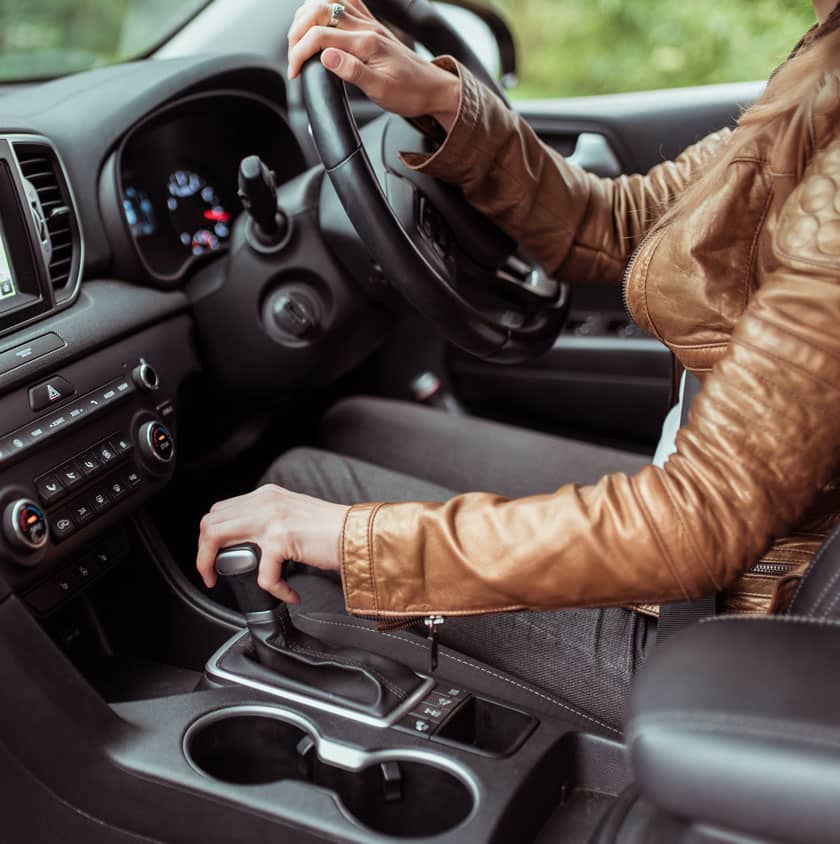
Automatic car insurance works the same as standard car insurance but is designed for vehicles with automatic gearboxes. While automatics are easier to drive, they often cost more to insure due to higher repair costs and vehicle value.
Not all insurers price automatic car insurance the same way. Some may offer competitive rates for low-mileage drivers, hybrid and electric cars, or those with a clean driving record. Because pricing varies, choosing the right policy can help you avoid paying more than necessary.
At SimplyQuote.co.uk, through our partnership with Quotezone, exploring automatic car insurance options is quick and hassle-free. The free online comparison tool allows you to compare policies from multiple insurers and find cover that suits your driving profile.
Insurance prices can differ significantly, even for the same driver. Comparing policies helps ensure you secure suitable cover at a competitive rate—not just the first quote you come across.
Compare automatic car insurance today—it only takes a few clicks.
What Do You Need to Get a Quote?
Getting an automatic car insurance quote is straightforward, but providing accurate details is essential. Even small mistakes can lead to higher premiums or claim disputes.
To get the most competitive quote, insurers will ask for:
- Your personal details – Name, date of birth, address, and occupation.
- Licence type & driving experience – Whether you hold an automatic or manual licence and how long you’ve been driving.
- Driving history – Previous claims, penalty points, or convictions that could affect your premium.
- Vehicle details – Make, model, registration year, and any modifications.
- Annual mileage – Estimating too high or too low can impact costs. If you drive under 7,500 miles per year, you may qualify for lower rates.
- Usage type – Whether the car is for commuting, personal use, or business travel.
- Policy preferences – Choose from Third-Party Only, Third-Party Fire & Theft, or Comprehensive cover.
Avoid common mistakes when getting a quote:
- Guessing your annual mileage – Overestimating can increase premiums, while underestimating may void your policy if insurers flag discrepancies.
- Forgetting past claims or convictions – Omitting details can lead to policy cancellations or disputes when making a claim.
- Not declaring car modifications – Even small modifications (e.g., tinted windows, alloy wheels) can affect insurance rates.
Providing precise details upfront ensures you get an accurate quote without unexpected price increases.
Why Do You Need Automatic Car Insurance?
In the UK, car insurance is a legal requirement—whether your vehicle is manual or automatic. However, automatic car insurance can cost more due to the higher repair costs and advanced technology used in automatic transmissions.
Driving without insurance isn’t just risky—it’s illegal. If caught uninsured, you could face:
- A fixed fine of £300 and six penalty points on your licence.
- A higher risk of a driving ban if the case goes to court.
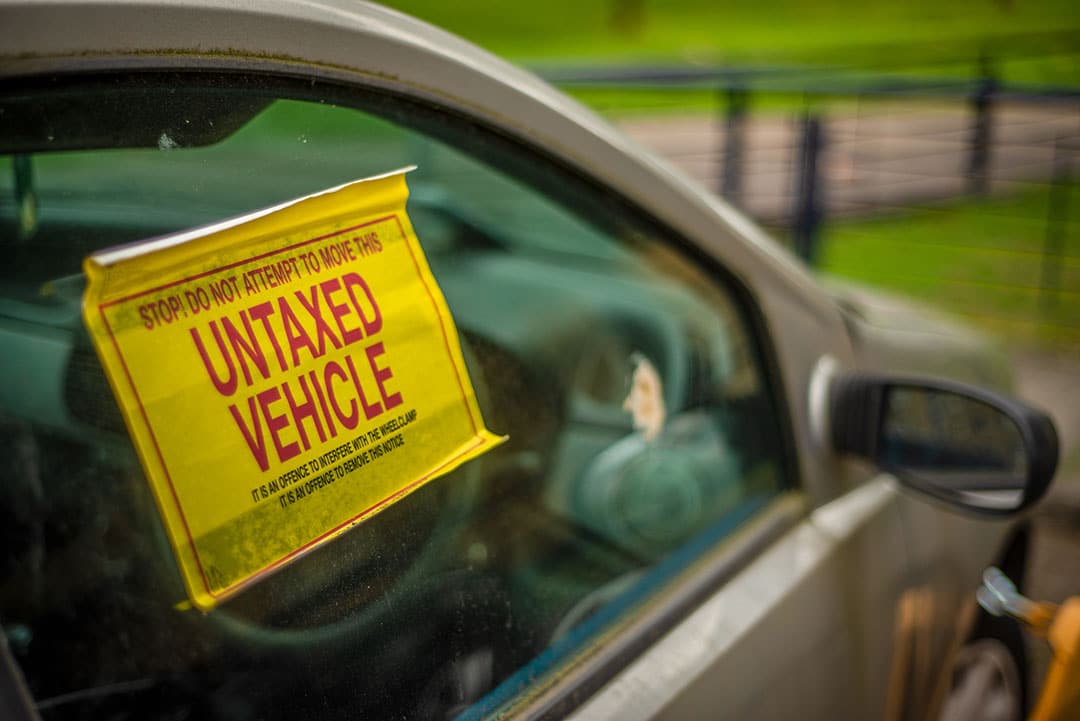
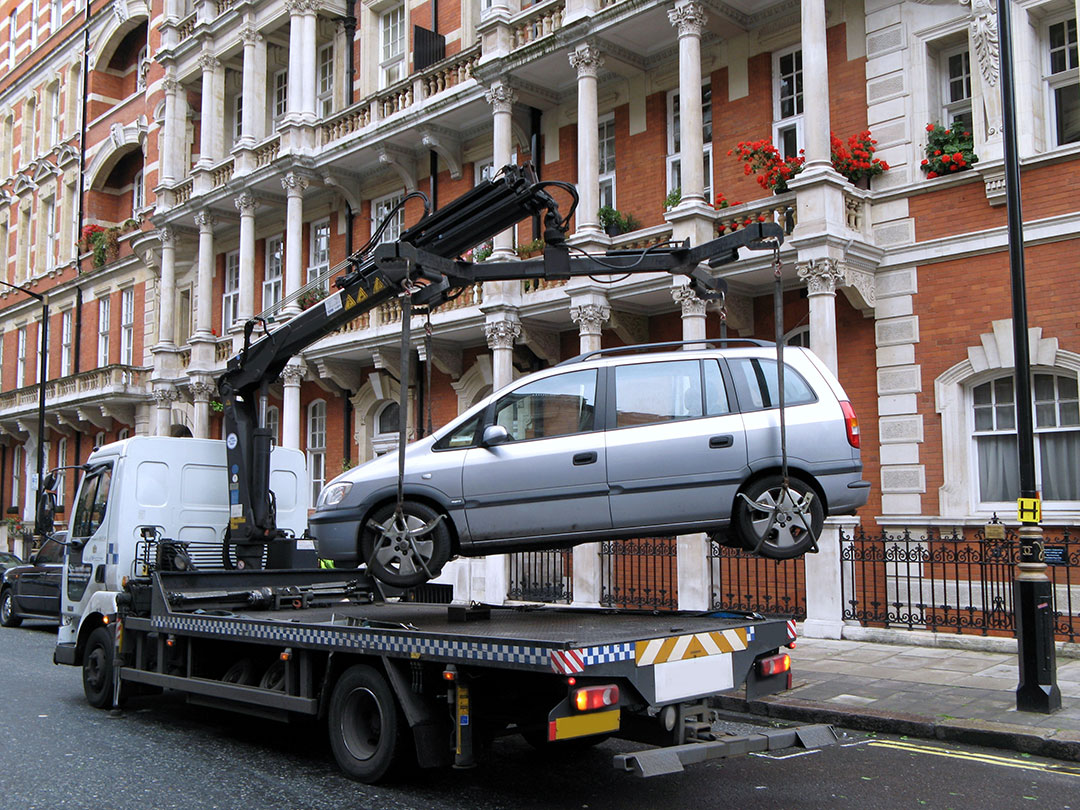
- Your car being seized and impounded, with additional release fees.
- Higher future insurance premiums, as being uninsured is seen as high-risk behaviour.
Beyond legality, automatic car insurance protects you financially. Whether it’s accidental damage, theft, or fire, the right policy prevents unexpected expenses that could cost thousands.
Because insurers price risk differently, two drivers with the same details can receive vastly different quotes. Comparing policies ensures you get the right cover without overpaying.

What Does Automatic Car Insurance Cover?
Automatic car insurance protects you financially if your vehicle is stolen, vandalised, or involved in an accident. Depending on your policy, it may also cover damage to other vehicles, property, and even medical expenses.
However, not all policies offer the same level of protection. Choosing the cheapest policy could mean unexpected out-of-pocket costs if you need to claim.
Types of Automatic Car Insurance Coverage
- Comprehensive Cover – Covers damage to your car, third-party vehicles, theft, fire, and vandalism.
- Third-Party, Fire & Theft (TPFT) – Covers damage to other vehicles and protection against theft and fire, but doesn’t cover repairs to your car if you’re at fault.
- Third-Party Only (TPO) – The minimum legal cover, only paying for damage to other vehicles and property, not your own.
What’s Not Covered?
Some risks aren’t covered under standard policies. Insurers expect drivers to maintain their vehicles and follow the law.
- Mechanical breakdowns – Insurance covers damage from accidents, not wear and tear or breakdowns. Consider breakdown cover as an add-on.
- Driving under the influence – If you’re caught drink-driving, insurers won’t pay for damage, even if you have full coverage.
- Uninsured use – Using your car for business purposes when insured for personal use could void your policy.
- Unapproved modifications – Performance or cosmetic modifications must be declared, or your policy may be invalid.
- Reckless driving – If you’re found to be driving dangerously, your claim could be denied.
Why Comparing Policies Matters
Many drivers assume they’re fully covered—but they may be underinsured.
- Example: If your car is stolen and you only have Third-Party Only cover, you won’t receive any payout.
- Example: If you select a high excess to lower premiums, you could face a large out-of-pocket cost in an accident.
Comparing insurers helps ensure you get the right cover at the best price, protecting you from financial surprises.

What Add-Ons Are Available for Automatic Car Insurance?
Automatic car insurance policies can be customised with optional add-ons that provide extra protection. While some are included in comprehensive policies, others may require an additional fee.
Choosing the right add-ons can prevent unexpected costs—but not all extras are necessary for every driver. Here’s what to consider:
No-Claims Discount (NCD) Protection
Allows you to make a claim without losing your discount, helping keep premiums lower over time.
Uninsured Driver Protection
If an uninsured driver hits you, this add-on covers your excess and protects your no-claims bonus.
Legal Expenses Cover
Covers the cost of legal action if you need to claim compensation after an accident that wasn’t your fault.
Breakdown Cover
If you regularly drive long distances, this add-on covers roadside assistance, towing, and minor repairs.
Courtesy Car Cover
If your car is in for repairs after an accident, this provides a replacement vehicle, ensuring you’re not left without transport.
Windscreen Cover
Covers the cost of repairing or replacing damaged windscreens and windows, useful for high-mileage drivers.
Before adding extras, check whether your policy already includes them—some insurers bundle common add-ons, while others charge separately.
How Much Does Automatic Car Insurance Cost?
Automatic car insurance often costs more than manual car insurance due to higher repair expenses, increased vehicle values, and fewer insurers specialising in automatic-only policies.
How Much Does It Cost?
Industry data suggests that, on average:
- Automatic car insurance costs £653 per year.
- Manual car insurance costs £490 per year.
The difference comes down to higher repair costs for automatic gearboxes, which are more complex and expensive to fix than manual transmissions.
What Affects Automatic Car Insurance Prices?
Insurance costs are based on risk and repair costs, but premiums vary significantly depending on your profile and vehicle.
| Factor | How It Affects Cost |
|---|---|
| Car Type | High-value automatics cost more to repair, increasing premiums. |
| Driver’s Age & Experience | Younger drivers face higher costs due to accident risk. |
| No-Claims Discount (NCD) | A longer claim-free history can significantly reduce costs. |
| Annual Mileage | Lower mileage often leads to cheaper insurance. |
| Location | Areas with high theft or accident rates have more expensive policies. |
| Policy Type | Comprehensive cover can be cheaper than Third-Party Only in some cases. |
| Vehicle Security | Alarms, immobilisers, and trackers can lower costs. |
Ways to Lower Automatic Car Insurance Costs
Want to avoid overpaying? Here are some proven ways to reduce your premium:
- Choose a car in a lower insurance group – Vehicles in groups 1-5 tend to have cheaper insurance.
- Increase your voluntary excess – A higher excess lowers your premium but increases what you pay in a claim.
- Limit your mileage – If you drive under 7,500 miles per year, you may qualify for a low-mileage discount.
- Improve security – Installing an insurer-approved alarm or tracker can reduce premiums.
- Add a named driver – Including an experienced, low-risk driver on your policy can balance risk.
- Compare insurers – Prices vary widely, so comparing policies can reveal better deals.
Premiums can vary by hundreds of pounds per year, so it’s always worth comparing quotes to find a better rate.
How To Get Cheaper Automatic Car Insurance?
Automatic car insurance typically costs more than manual insurance, but smart adjustments can reduce premiums significantly. Here are the most effective ways to lower your insurance costs:
Choose a Car in a Lower Insurance Group
Insurance groups range from 1 to 50—the lower the group, the cheaper the premium. Cars in groups 1–5 cost significantly less to insure.
- Example: A Toyota Yaris Hybrid (Group 6) costs more to insure than a Fiat Panda (Group 3) despite similar engine sizes.
- Avoid high-performance models – Sports cars and SUVs often fall into higher groups, increasing premiums.
Increase Your Voluntary Excess (If You Can Afford It)
Raising your voluntary excess lowers your premium, but you’ll pay more if you need to claim.
- Example: Increasing your excess from £250 to £500 could cut your premium by 10-20%, but ensure you can afford the out-of-pocket cost in a claim.
Reduce Your Annual Mileage
Lower mileage means less time on the road = lower risk.
- Drivers who cover less than 7,500 miles per year often qualify for low-mileage discounts.
- If you work from home or use public transport, consider adjusting your declared mileage.
Add an Experienced Named Driver
Adding a low-risk driver (e.g., a parent or spouse with a clean record) can reduce your premium, especially for younger drivers.
- Warning: Avoid ‘fronting’—listing a low-risk driver as the main driver when they aren’t. This is illegal and can void your policy.
Pay Annually Instead of Monthly
Insurers add interest to monthly instalments.
- Example: Paying annually instead of monthly can save up to 15% over a year.
Consider Telematics (Black Box) Insurance
Some insurers offer telematics black box policies, where a device tracks your driving habits.
- Safe drivers can reduce their premium by up to 25% over time.
- If you drive carefully and mainly during off-peak hours, this could be a cost-effective option.
Compare Insurers – The Biggest Money-Saving Move
Insurance rates can vary by hundreds of pounds between providers, even for the same driver.
- Example: A 30-year-old driver with the same car and driving history could receive quotes ranging from £450 to £850 per year, depending on the insurer.
- Always compare before renewing – Many insurers increase renewal prices, so switching providers can save you hundreds.
Premiums fluctuate throughout the year, and insurers constantly adjust pricing models. The best way to ensure you’re not overpaying is to compare quotes before your renewal date.
Compare automatic car insurance today and see how much you could save.

How To Compare Automatic Car Insurance At SimplyQuote.co.uk?
Through SimplyQuote’s partnership with Quotezone, you can compare automatic car insurance quotes from a range of UK insurers to find cover that fits your needs and budget.
- Enter your details – Provide your name, address, date of birth, and occupation to generate a personalised quote.
- Add vehicle information – Enter your car’s make, model, registration year, and any modifications for an accurate price.
- Specify policy details – Choose your preferred level of cover (Comprehensive, Third-Party Fire & Theft, or Third-Party Only).
- Review optional extras – Consider breakdown cover, legal protection, or NCD protection based on your needs.
- Compare quotes – View side-by-side quotes from leading UK insurers, comparing price, coverage, and policy benefits.
- Choose your policy – Select the best deal and apply online in minutes.
*51% of consumers could save £518.14 on their Car Insurance. The saving was calculated by comparing the cheapest price found with the average of the next four cheapest prices quoted by insurance providers on Seopa Ltd’s insurance comparison website. This is based on representative cost savings from June 2025 data. The savings you could achieve are dependent on your individual circumstances and how you selected your current insurance supplier.

Frequently Asked Questions
Yes, automatic car insurance typically costs more because automatic gearboxes are more complex and expensive to repair. However, you can reduce costs by choosing a low-insurance-group car, limiting mileage, or comparing insurers before renewal.
No. If you hold an automatic-only driving licence, you cannot legally drive a manual car. Your insurance would also be invalid if you did. To drive both, you need a full manual licence.
Yes. Automatic cars often fall into higher insurance groups, making them more expensive to insure than manual cars. However, hybrid and electric models sometimes qualify for specialist discounts.
Most insurers don’t separate automatic and manual policies—they cover both. However, some insurers offer discounts on electric or hybrid automatic vehicles, especially for low-mileage drivers.
Yes, but not all policies include battery and charging-related cover. If you drive an electric automatic, check whether your insurer offers EV-specific protection for charging cables, home chargers, or battery failure.
Yes, but it requires careful planning. New drivers can save by adding a named driver, choosing a low-risk car, or considering telematics insurance. Comparing multiple insurers is essential to finding the best rate.
No, automatic cars are covered under standard car insurance policies, but insurers may charge more for them. Choosing an insurer that factors in safety features or low-mileage usage can help lower costs.
All modifications must be declared—even small changes like tinted windows or alloy wheels. Failure to disclose modifications can void your insurance or result in higher premiums.
Car Insurance Guides