
What Does Courier Insurance Cover?


Courier insurance typically covers your vehicle for hire and reward use, the goods you are delivering, and any liability if you injure someone or damage property while working.
It is not a single policy. Courier insurance is a bundle of protections designed to match how you operate as a courier, and the exact cover you need depends on what you carry, who you work for, and whether you employ anyone.
Hire and reward covers your vehicle for paid deliveries, but not the goods in the back. If a parcel is lost, stolen, or damaged, you need separate goods in transit cover. Many platforms also require public liability before you can accept jobs.
Check which layers you actually need when you compare courier insurance quotes.
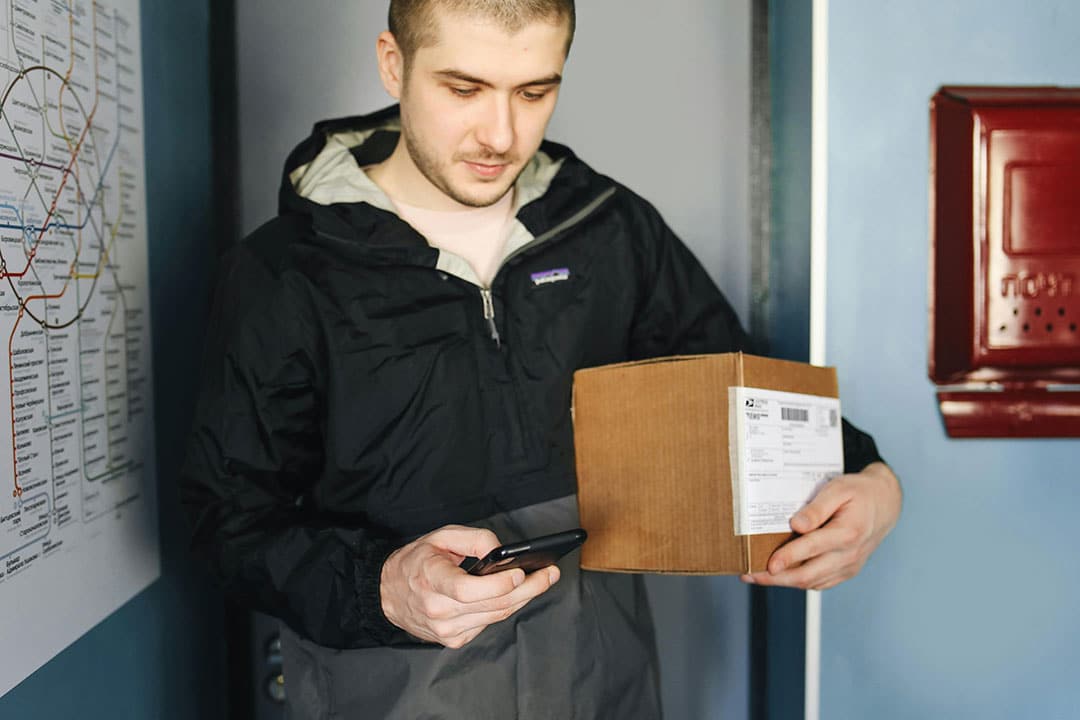
What types of cover are included in courier insurance?
Most courier insurance packages combine several cover types under one policy. The four main types are hire and reward, goods in transit, public liability, and employers’ liability.
| Cover Type | What It Protects | Required or Optional |
| Hire and reward | Your vehicle while carrying goods for payment | Required by law |
| Goods in transit | Items you are delivering against loss, theft, or damage | Optional but strongly recommended |
| Public liability | Third-party injury or property damage claims | Optional (some platforms require it) |
| Employers’ liability | Staff injury or illness claims | Required by law if you employ anyone |
Some insurers sell these as separate policies. Others bundle them into a single courier package with one renewal date and one set of documents.
Which combination you need depends on your working pattern. A sole trader delivering parcels locally may only need hire and reward and goods in transit, while a courier business with employed drivers will also need employers’ liability.
How are courier insurance packages priced?
Insurers price each cover type based on your vehicle, postcode, driving history, and the type of goods you carry. Bundling multiple cover types into a single package usually costs less than buying each one separately.
What is hire and reward cover?
Hire and reward cover is the legal minimum for any courier. It insures your vehicle for carrying goods or passengers in exchange for payment.
Why do couriers need hire and reward?
Standard van or car insurance only covers social, domestic, and commuting use. The moment you carry someone else’s goods for money, that policy is invalid.
Without hire and reward cover, you are driving uninsured. If you are stopped or involved in an accident, your insurer can refuse the claim entirely.
Who needs hire and reward cover?
Anyone carrying goods or passengers for payment needs it, whether you work full-time, part-time, or as a self-employed courier picking up work through apps.
Does hire and reward cover the goods?
No, hire and reward only covers the vehicle and driver. If the items you are delivering are lost, stolen, or damaged, you need separate goods in transit cover.
This catches many new couriers out. They assume their vehicle policy protects everything, but hire and reward says nothing about the parcels in the back.
What does goods in transit insurance cover?
Goods in transit insurance protects the items you are carrying against loss, theft, or accidental damage from the point of collection to the point of delivery.
What is typically included?
Most policies cover theft from a locked vehicle, accidental damage during loading or unloading, and damage caused by a road traffic accident. Cover limits typically start at £5,000 per consignment and can go up to £25,000 or more.
What is not covered?
Policies typically exclude items left in an unlocked vehicle, perishable goods unless specifically declared, and high-value items such as electronics or jewellery above the policy limit.
Our courier insurance vs goods in transit guide explains how goods in transit cover differs from vehicle-based courier insurance.
Do couriers need liability insurance?
Public liability insurance is optional for most couriers but strongly recommended. Employers’ liability insurance is a legal requirement if you employ anyone.
What does public liability cover?
Public liability insurance covers claims from third parties if you injure someone or damage their property while working. For example, if you drop a parcel on a customer’s foot or reverse into a garden wall.
Platforms such as Amazon Flex and food delivery apps often require public liability cover before you can accept jobs.
What does employers’ liability cover?
If you employ drivers, warehouse staff, or anyone who helps with your courier work, the Employers’ Liability (Compulsory Insurance) Act 1969 requires you to hold at least £5 million of employers’ liability insurance. Many policies offer £10 million as standard.
What optional extras can couriers add?
Beyond the core cover types, several add-ons help couriers manage risks that standard policies do not address.
| Optional Extra | What It Does | Who Benefits Most |
| Breakdown cover | Roadside assistance and vehicle recovery | Full-time couriers who rely on their vehicle daily |
| Personal accident | Pays out for injury or death while working | Self-employed couriers with no sick pay |
| Legal expenses | Covers legal costs for disputes or prosecutions | Couriers facing contract or liability disputes |
| Excess protection | Reimburses the policy excess after a claim | Drivers with higher excess to reduce premiums |
Not every courier needs all of these. If you only do a few deliveries a week, breakdown cover and personal accident may be enough.
Full-time couriers who rely on their vehicle for income should consider all four, especially if a vehicle breakdown or injury would stop them earning.
If you run multiple vehicles, a courier fleet policy may bundle several of these extras at a lower combined cost.
Frequently Asked Questions (FAQs)
No, courier insurance adds hire and reward cover so you can legally carry goods for payment. Standard van insurance does not include this.
Not always, as public liability is often an optional add-on. Check your policy wording to confirm whether it is included or needs to be added separately.
Yes, these platforms require hire and reward cover at minimum. Many also ask for public liability insurance before you can accept jobs.
You are driving uninsured, which can result in a fixed penalty, six to eight penalty points, and having your vehicle seized. Your standard policy will not pay out if you have an accident.
Costs vary depending on your vehicle, experience, and cover level. Our courier insurance cost guide gives a full breakdown of typical prices.
Some insurers offer short-term courier insurance for a single day or week. This suits drivers who only do occasional delivery work.
No, goods in transit covers the items you carry, while courier insurance covers the vehicle. Our comparison guide explains the difference.