
What Is Landlord Buildings Insurance?


Landlord buildings insurance covers the physical structure of your rental property against damage from fire, storm, flood, subsidence, escape of water, theft, and vandalism. It pays for repairs or rebuilding based on the rebuilding cost, not the market value.
Your mortgage lender will almost certainly require buildings insurance as a condition of a buy-to-let loan. Even without a mortgage, a major incident could leave you personally liable for tens of thousands in rebuilding costs while simultaneously losing rental income.
Buildings insurance is not a legal requirement, but it is a financial necessity for any landlord. Below is a full breakdown of what’s covered, what isn’t, and how to get the rebuild value right.
Landlord buildings insurance covers the structure of your rental property, and your buy-to-let lender will almost certainly require it. Insure at the full rebuild cost, not the market value, and add tenant damage cover separately as it’s not included as standard.
Compare landlord buildings insurance quotes at your actual rebuild cost to make sure the cover matches.
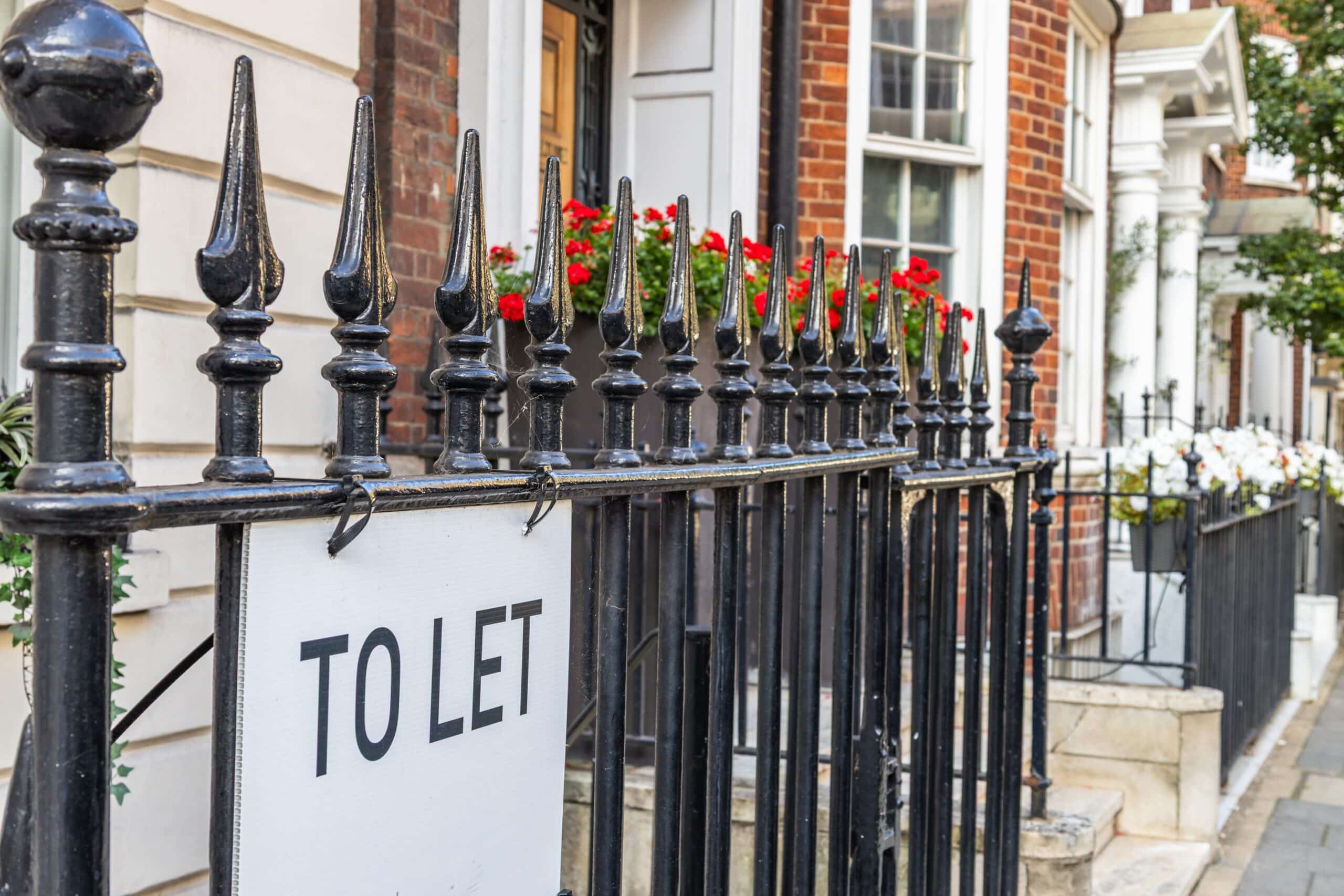
What does landlord buildings insurance cover?
Buildings insurance covers the permanent structure and fixed elements of your property: walls, roof, floors, ceilings, fitted kitchens, bathrooms, boilers, plumbing, fixed electrical installations, windows, doors, and outbuildings.
Standard insured perils
| Peril | What it covers | Notes |
| Fire, smoke, and explosion | Damage from fire, smoke penetration, and water from firefighting | Most common claim trigger after escape of water |
| Storm and weather | High winds, heavy rain, hail, snow, lightning | Does not cover gradual weather deterioration |
| Flood | Rising water levels, surface water, groundwater | Flood Re scheme supports affordable cover for pre-2009 homes |
| Escape of water | Burst pipes, leaking tanks, overflowing appliances | Accounts for ~29% of all landlord claims |
| Subsidence, heave, landslip | Structural movement from ground conditions | Higher excess of £1,000–£2,500 typically applies |
| Theft and vandalism | Damage to the building from break-ins and criminal damage | Some policies require evidence of forced entry |
| Impact damage | Vehicles, aircraft, or falling trees hitting the property | Includes damage to boundary walls and fences |
Properties in flood-risk areas may face higher premiums, but the Flood Re scheme helps keep cover affordable for residential properties built before 2009.
Related: What Does Landlord Insurance Cover?
What is not covered?
Buildings insurance excludes normal wear and tear, gradual deterioration, damage from lack of maintenance, and pre-existing defects. Tenant-caused damage and moveable contents are also excluded unless added as optional extras.
Standard exclusions
Wear and tear from everyday use, including aged paintwork, worn grouting, and fading, is your responsibility as landlord. If damage results from your failure to maintain the property, such as blocked gutters causing water ingress, the claim will be rejected.
Slow-developing problems like rising damp, condensation mould, and dry rot are excluded because they develop over time rather than from a sudden insured event.
Optional extras worth adding
Accidental damage is not covered as standard but is worth adding, typically costing an additional 10–20% of the base premium. Malicious damage by tenants is a separate optional extra that covers deliberate destruction.
Moveable items like furniture and appliances fall under contents insurance, not buildings cover. Your tenants’ personal belongings are never covered by your policy.
How much cover do you need?
You need to insure for the full rebuilding cost of your property, not its market value. The rebuilding cost is what it would cost to reconstruct from scratch, including materials, labour, and professional fees.
Rebuilding cost vs market value
A property with a market value of £400,000 might have a rebuilding cost of only £200,000. The difference is land value and location premium, which insurance does not cover.
Conversely, a period property with specialist construction may cost more to rebuild than its market value. Getting this figure wrong in either direction costs you money.
Underinsurance and average
Underinsuring means claims can be reduced proportionally, known as average. If you insure for £100,000 when the actual rebuilding cost is £150,000 and you make a £30,000 claim, the insurer may only pay £20,000.
The RICS Building Cost Information Service provides estimates based on property type and location, or you can commission a professional surveyor’s assessment.
Review your rebuilding cost annually. Many insurers offer index-linking, which automatically adjusts your cover in line with building cost indices.
Related: What Factors Affect the Cost of Landlord Insurance?
How do you make a claim?
Notify your insurer as soon as possible after discovering damage. Photograph the damage from multiple angles, make the property safe with emergency repairs, and do not start permanent repairs until the insurer has assessed the claim.
Steps to follow
Most insurers have 24-hour claims lines. Have your policy number ready, describe the damage clearly, and report theft or vandalism to the police for a crime reference number.
For larger claims, the insurer may send a loss adjuster to inspect the damage. Keep all receipts for emergency repairs and temporary measures.
Loss of rent during repairs
If the property is uninhabitable during repairs and you have loss of rent cover, you can claim for the rental income lost during the repair period. This is standard on most landlord insurance policies but check your policy wording to confirm.
How much does landlord buildings insurance cost?
A standard buildings-only policy for a typical rental property costs £100 to £400 per year. The main factors driving your premium are rebuilding cost, location, property type, claims history, and the level of cover chosen.
What makes premiums higher
Properties in high-crime areas, flood zones, or subsidence-prone postcodes attract higher premiums. HMOs and blocks of flats typically pay more than standard single-household lets.
Older properties, unoccupied properties between tenancies, and those with non-standard construction (flat roofs, timber frames) also cost more to insure.
Reducing your premium
You can cut costs by increasing the excess, paying annually, improving security, and shopping around at renewal. For a full breakdown, see our guide to getting cheaper landlord insurance.
Landlord buildings insurance premiums are fully tax-deductible against your rental income, including the Insurance Premium Tax at 12%. Keep your policy documents and receipts for your tax return.
Related: How Much Is Landlord Insurance?
Do you need buildings insurance, contents insurance, or both?
If you have a mortgage, your lender will require buildings insurance. Whether you also need contents cover depends on whether your property is let furnished or unfurnished.
When you need both
If you provide furniture, appliances, or other moveable items, add contents cover. Combined policies that bundle buildings and contents are often cheaper than buying each separately.
This applies whether you’re insuring a single let property or a multi-property portfolio.
When buildings only is enough
If your property is unfurnished and the tenant provides all their own furniture and appliances, a buildings-only policy may be sufficient. Stripping out unnecessary contents cover is one of the simplest ways to reduce your premium.
This is different from standard home insurance, which typically bundles both. If you’re unsure which you need, see our landlord insurance vs home insurance comparison.
Related: Do I Need Landlord Insurance?
Frequently asked questions (FAQs)
No, but your buy-to-let mortgage lender will almost certainly require it as a condition of the loan. Even without a mortgage, the financial risk of an uninsured property makes it a necessity.
Buildings insurance covers the permanent structure and fixed elements (walls, roof, fitted kitchen, bathroom, boiler). Contents insurance covers moveable items you provide to tenants (furniture, appliances, curtains).
Yes, flood damage is covered as standard on most landlord buildings policies. Properties in high-risk flood zones may face higher premiums or excesses, but the Flood Re scheme helps keep cover affordable for pre-2009 homes.
Use the rebuilding cost, not the market value. The RICS Building Cost Information Service provides estimates based on property type and location, and you should review the figure annually as construction costs change.
Not as standard, as accidental and malicious damage by tenants are optional extras you need to add. Check your landlord insurance policy wording for details.