Landlord Insurance
91 guides on landlord insurance, newest first.
Latest Guides

Do Landlords Need a Legionella Risk Assessment?
Find out what the law really asks of you on legionella, when you can assess the risk yourself and why no legionella certificate exists in law.
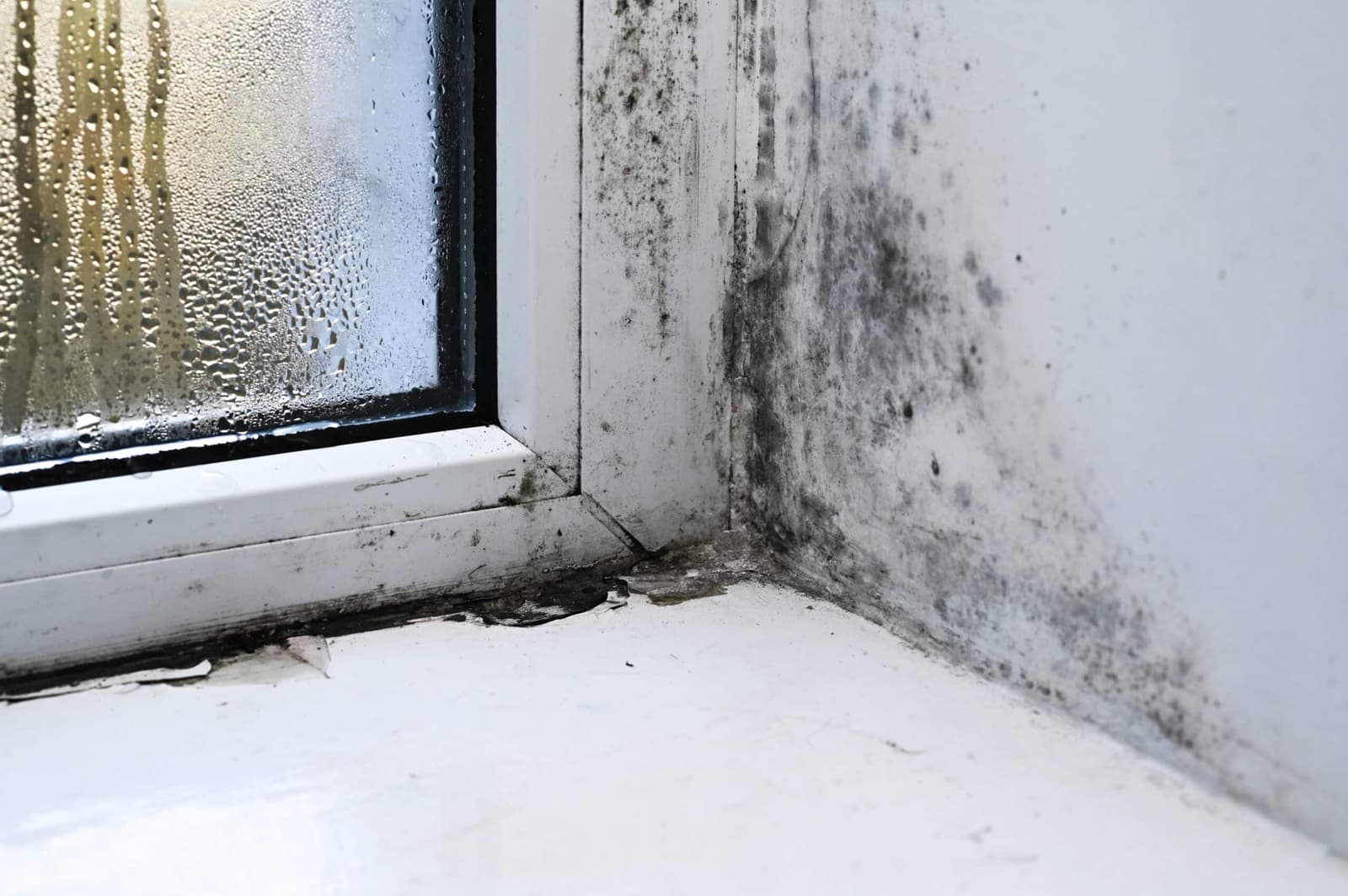
Does Landlord Insurance Cover Mould and Damp?
Understand when a landlord policy pays for damp, why insurers treat mould as maintenance and what your legal duties are when a tenant reports it.

Does Landlord Insurance Cover Subsidence?
Learn how subsidence, heave and landslip are covered on landlord buildings policies, why the excess is higher and what to do when a tenant reports cracks.

Does Landlord Insurance Cover Theft by Tenants?
Find out why most landlord policies exclude theft by a tenant, where malicious damage cover picks up the bill and how to recover what was taken.

How Can Landlords Improve Their Property’s EPC Rating?
Learn which upgrades add the most EPC points per pound, which grants private landlords can use and how to sequence the work without losing rent.

Do Landlords Need a Licence to Rent Out Property?
Find out which rented properties need an HMO or selective licence in England, how to check your postcode and what happens if you let without one.

How Can Landlords Increase Rent Legally?
Learn how to raise the rent legally in England using a Section 13 notice, how to evidence market rent and what happens if your tenant challenges it.
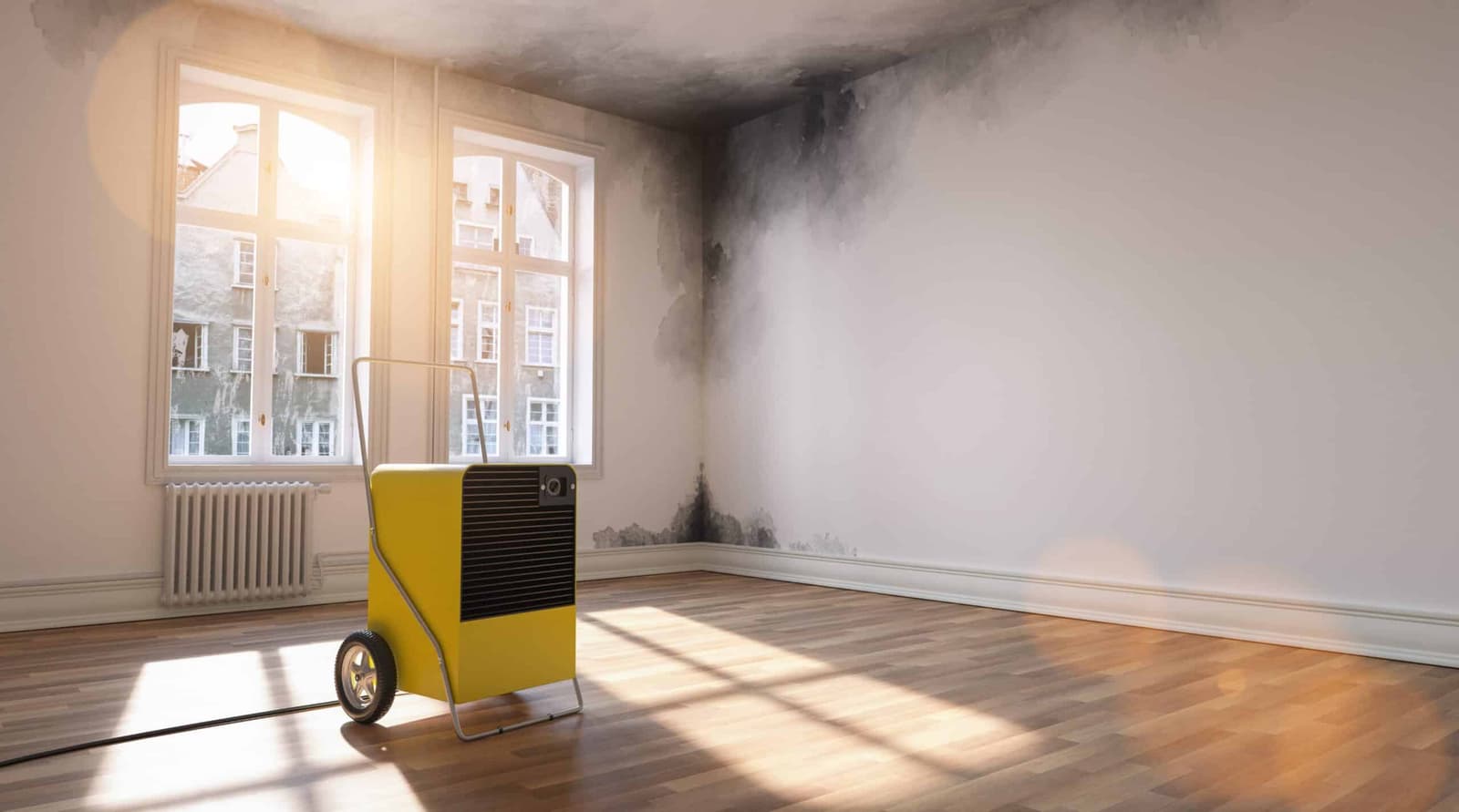
How Can Landlords Prevent Damp and Mould in Rental Properties?
Learn how to tell condensation from penetrating damp, which ventilation rates stop mould forming and what to record when a tenant reports a problem.

How Can Landlords Reduce Void Periods?
Find out how to cut void periods by pricing to the current market, re-letting early and keeping good tenants, plus what an empty property does to your cover.