
What Is Buildings Insurance?


Buildings insurance covers the permanent structure of your home, including the walls, roof, floors, fitted kitchens, bathrooms, plumbing, wiring, and outbuildings. It pays for repairs or rebuilding after damage from insured events such as fire, storm, flood, subsidence, or vandalism.
If you have a mortgage, your lender will require buildings insurance as a condition of the loan. Even without a mortgage, the cost of rebuilding after a major event can run into hundreds of thousands of pounds, making buildings insurance one of the most important protections a homeowner can have.
This guide explains what is and is not covered, how to calculate the right sum insured, who legally needs it, and how to compare quotes on a like-for-like basis.
Buildings insurance covers the permanent structure of your home, from walls and roof to plumbing, wiring, and fitted kitchens. Insure at the full rebuild cost, not the market value, because under-insuring lets the insurer scale every payout down.
Get a buildings insurance quote based on your actual rebuild cost to make sure the cover matches.
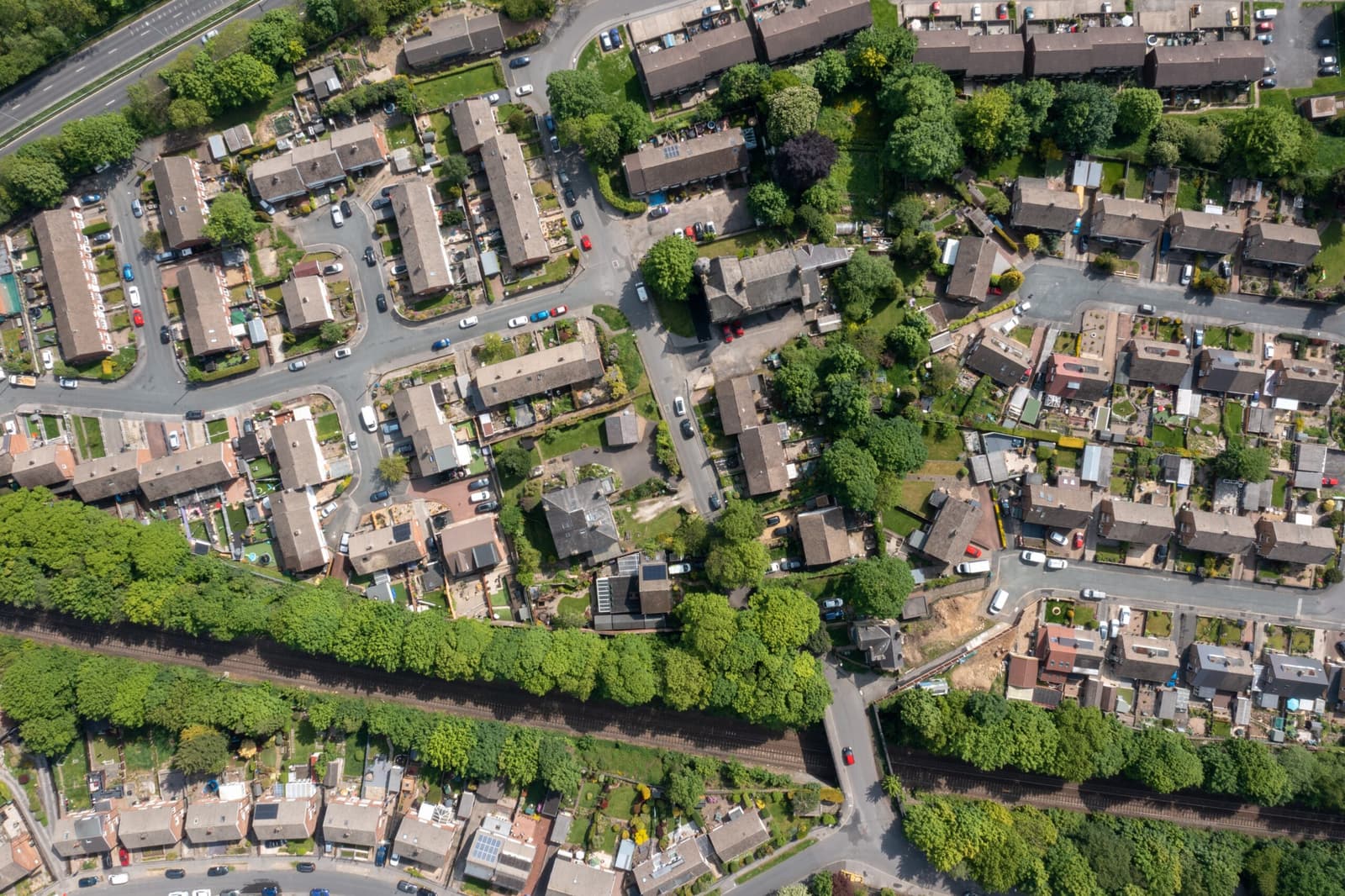
What does buildings insurance cover?
Buildings insurance covers the cost of repairing or rebuilding the permanent structure of your property after damage from a covered event. The “building” includes everything that is fixed and would stay in place if you moved out.
Structure and fixtures
Walls, roof, foundations, floors, ceilings, windows, doors, fitted kitchens, built-in bathroom suites, plumbing, drainage, water tanks, electrical wiring, fuse boxes, central heating systems, boilers, radiators, fitted flooring (tiles, hardwood, fitted carpets), and built-in storage. You could save up to £257* on your home insurance.
Compare Home Insurance
External structures
Most policies also cover garages, sheds, greenhouses, boundary walls, fences, gates, driveways, and paths. These are usually covered up to a specified sub-limit, so check your policy schedule for the maximum payout.
Insured events
Standard buildings cover includes fire and smoke, storm and extreme weather, flooding, escape of water (burst or leaking pipes), subsidence and ground movement, theft and attempted theft, vandalism, impact from vehicles or falling objects, and explosion.
Alternative accommodation
Most policies cover the reasonable cost of temporary housing if your home becomes uninhabitable while repairs are carried out after an insured event. Check the policy for the maximum amount and duration allowed.
How do you calculate your rebuild cost?
Base your buildings sum insured on the rebuild cost, not the market value. The rebuild cost is what it would take to demolish and reconstruct from scratch, including materials, labour, and professional fees.
Why rebuild cost differs from market value
Market value includes the land, while rebuild cost does not. A property worth £400,000 on the open market might have a rebuild cost of £250,000, though the gap varies by location, size, and construction type.
Three ways to estimate
| Method | Best for |
| Check your mortgage valuation | Most homeowners. The surveyor’s report from purchase usually includes a rebuild figure. |
| Use the BCIS calculator from RICS | Quick online estimate based on property type, size, and postcode. |
| Commission a professional survey | Non-standard construction, listed buildings, thatched roofs, or unusual properties. |
The BCIS rebuild cost calculator is the fastest route for most standard properties. For anything non-standard, a bespoke surveyor’s assessment is worth the fee.
What happens if you under-insure
If the rebuild cost is £300,000 but you insure for £200,000, your insurer can apply the average clause and scale any claim by the same ratio. A £15,000 partial-damage claim would be reduced to £10,000.
Do you legally need buildings insurance?
No UK law requires buildings insurance, but every residential mortgage lender demands it as a contractual condition of the loan. If you own outright, the decision is yours.
Mortgage holders
Your lender has a financial interest in the property because it secures the debt. Proof of buildings cover is required before mortgage funds are released on completion, and letting the policy lapse puts you in breach of the mortgage terms.
Outright owners
Home insurance is not mandatory for outright owners, but the financial exposure from an uninsured total-loss fire or flood can be devastating. Most outright owners choose to continue insuring.
Leaseholders
If you own a leasehold flat, the freeholder or management company arranges buildings insurance for the whole building, with the cost passed on through service charges. Check your lease to see what the communal policy covers and whether you need additional protection for internal fixtures or improvements.
New builds and structural warranties
New-build homes typically come with a 10-year structural warranty (such as an NHBC Buildmark policy) that covers defects from poor workmanship. This is not a replacement for buildings insurance.
The warranty covers construction defects; buildings insurance covers damage from events such as fire, flood, and storm. You need both.
What is not covered by buildings insurance?
Every policy has exclusions. Understanding what buildings insurance does not cover is as important as knowing what it does, because rejected claims almost always stem from one of these gaps.
Wear and tear
Gradual deterioration from age and normal use is not an insured event. However, sudden damage such as a pipe bursting is covered even if the pipe was old.
Poor maintenance and gradual damage
If damage results from neglected gutters, rising damp, condensation, or slow water ingress, the insurer can refuse the claim. Keeping the property maintained is both a practical and contractual obligation, and failure to do so can invalidate your cover.
Accidental damage
Unless you add accidental damage cover as an optional extra, unintentional damage you cause yourself (drilling through a pipe, cracking a basin) is not covered.
Unoccupied property
Most policies exclude or limit cover once the property has been empty for 30 to 60 consecutive days. If you expect a prolonged absence, tell your insurer or consider unoccupied property insurance.
Contents
Your personal belongings (furniture, electronics, clothing) are not covered by buildings insurance. You need separate contents insurance for those.
Disclosure and CIDRA 2012
Under the Consumer Insurance (Disclosure and Representations) Act 2012, you must answer your insurer’s questions honestly. Failure to disclose previous subsidence, flood history, or structural changes can lead to a claim being reduced or refused.
How do you compare buildings insurance quotes?
Compare on a like-for-like basis using the same rebuild cost, excess, and optional extras across every provider.
Get the rebuild cost right first
Every quote is priced off the sum insured, so an inaccurate rebuild figure makes every comparison meaningless. Use the BCIS calculator or a surveyor’s valuation before you start.
Watch the excess
A lower premium with a very high voluntary excess may not be good value if you need to claim. Check both the compulsory excess (set by the insurer) and the voluntary excess you are choosing, bearing in mind that subsidence excess is typically £1,000 regardless.
Check what is included as standard
Some policies include accidental damage or home emergency cover at no extra cost; others charge for both. A headline premium means nothing until you know what it actually buys.
FCA pricing pules
Under FCA General Insurance Pricing Practices rules (from January 2022), insurers cannot charge renewing customers more than equivalent new customers. Premiums still vary between providers, so comparing annually is still worth doing.
Frequently asked questions (FAQs)
Yes, subsidence, heave, and landslip are standard insured events, but the compulsory excess is typically £1,000 rather than the £100 to £250 applied to most other claims. Disclose any subsidence history when applying.
Yes, escape of water from burst or leaking pipes is a standard covered event. The policy pays for resulting structural damage (walls, floors, ceilings) and usually the cost of locating and fixing the leak itself.
Most policies include cover for reasonable temporary housing costs if the property becomes uninhabitable after an insured event. Check your schedule for the maximum amount and duration.
Rebuild cost is what it would take to reconstruct the property from scratch, excluding land, while market value is what it would sell for, including land. Buildings insurance is always based on rebuild cost.
Yes, but you may need a specialist insurer because listed buildings must be repaired using approved materials and methods, which costs more. A professional rebuild assessment is recommended, and non-standard home insurance providers are usually the best starting point.
No, buildings insurance is the landlord’s responsibility and your belongings are not covered by that policy. You need renters insurance for your own furniture, electronics, and personal items.
Recalculate your rebuild cost using the calculator at bcis.co.uk or a surveyor, then update your sum insured with your provider. If the gap is large, check your policy details and consider switching at renewal to avoid the average clause.